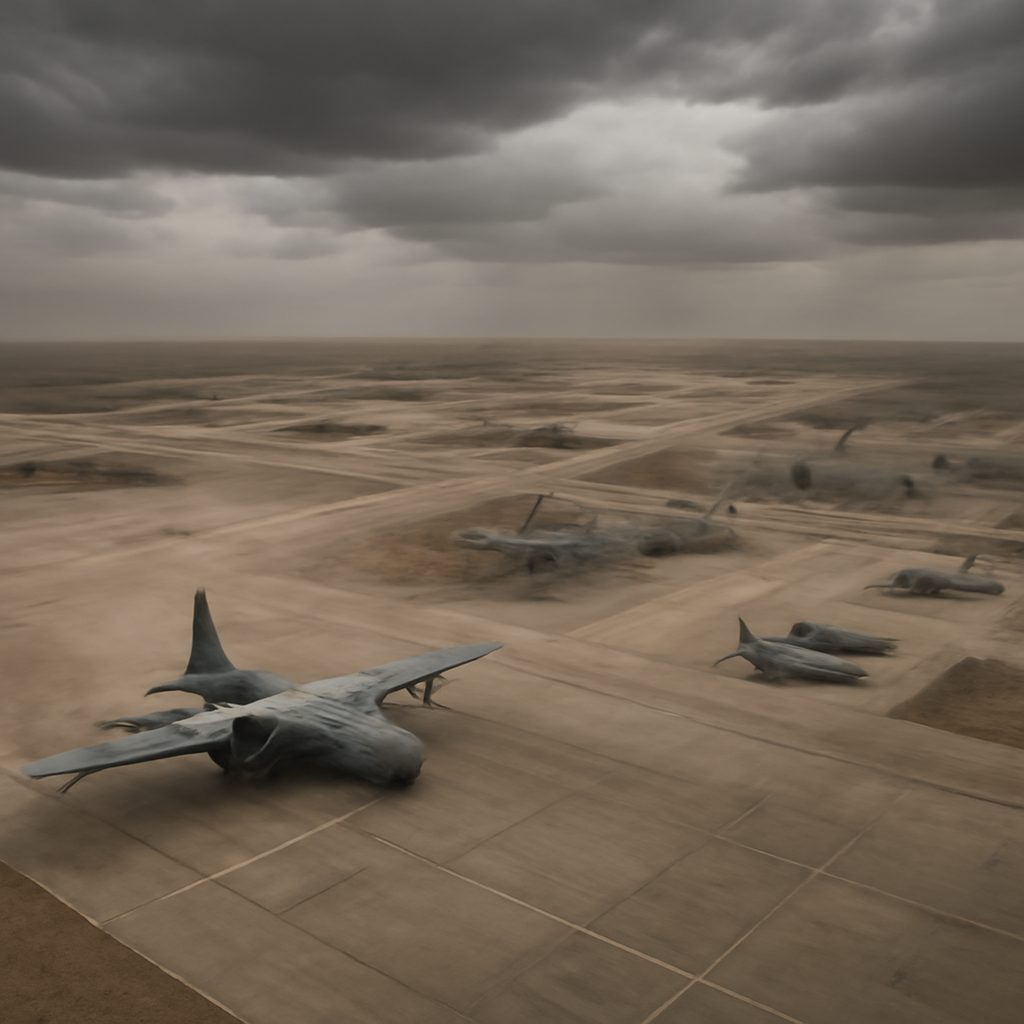
The escalating US-Iran tensions have captured global attention as military strikes continue amid challenging diplomatic efforts. The ongoing conflict, marked by airstrikes and high-level warnings, threatens to destabilize the region further. With costs mounting to $37.5 billion, the implications are significant both economically and politically.
US President is slated to observe a dignified transfer of US service members later today, emphasizing the human cost of this conflict. The Defense Secretary recently highlighted the staggering financial burden, raising questions about the conflict's sustainability and impact on US resources.
Senator Marco Rubio has publicly criticized Tehran's stance, suggesting that Iran is not genuinely committed to diplomacy. This skepticism reflects a broader concern about the effectiveness of negotiations, as both nations remain entrenched in their positions. These developments underscore the strained US-Iran relations, a situation closely monitored by the international community.
Beyond the immediate military actions, the technology and strategy employed in this conflict are noteworthy. Advanced military equipment and strategic planning play vital roles, highlighting the modern nature of warfare today. As operations continue, the innovations in military technology remain pivotal.
The complex dynamics of the US-Iran situation underscore the need for renewed diplomatic efforts and a strategic reassessment of ongoing military actions. As tensions persist, the global community watches closely, hoping for a resolution that prioritizes peace and stability.