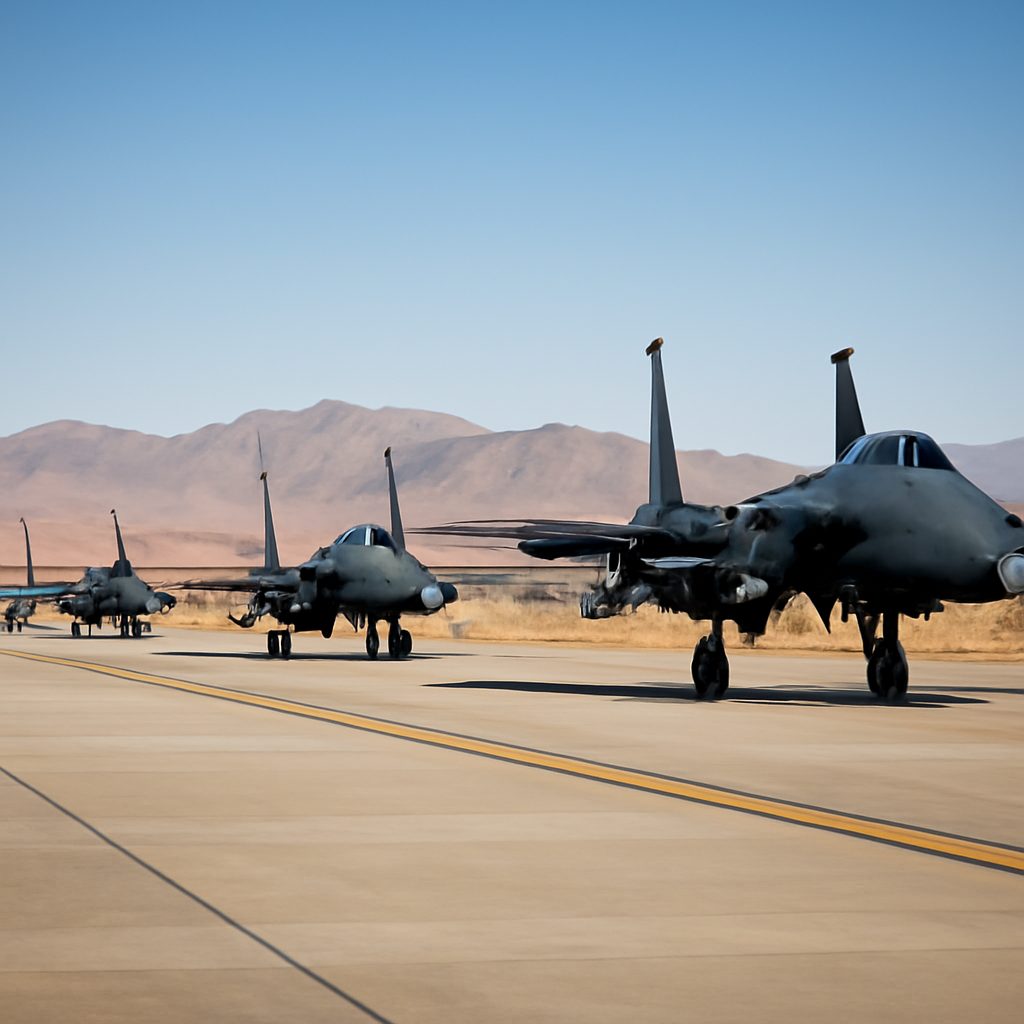
The U.S.-Iran tensions are intensifying as the conflict in the Middle East expands. Recent reports indicate that President Trump has issued a stark warning to Iran, stating they will "get a beating" as military actions escalate. This development comes as the U.S. and Saudi Arabia jointly launch strikes against Iranian proxies in Iraq, highlighting the growing instability in the region.
The primary focus of concern centers around the strategic military operations carried out by the U.S. and its allies in response to apparent threats from Iranian-linked groups operating within Iraq. This escalation underscores the ongoing friction between the U.S. and Iran and its potential ramifications for the broader Middle Eastern geopolitical landscape.
These recent actions are part of a series of events that have increased tensions between the U.S. and Iran, following the U.S.'s withdrawal from the Iran nuclear deal and subsequent reimplementation of sanctions. The involvement of Saudi Arabia, a key U.S. ally, further complicates the dynamics, as both nations align to counteract Iranian influence in the region.
Observers are closely monitoring these developments, concerned about the potential for broader regional conflict. The international community remains attentive to how this situation might affect global oil markets and regional security, given the strategic importance of the Middle East.
As diplomatic efforts appear strained, the ongoing military operations raise important questions about future U.S. strategy in the region, including its long-term implications for Middle Eastern stability. The situation remains dynamic, with potential consequences for international relations and global security.