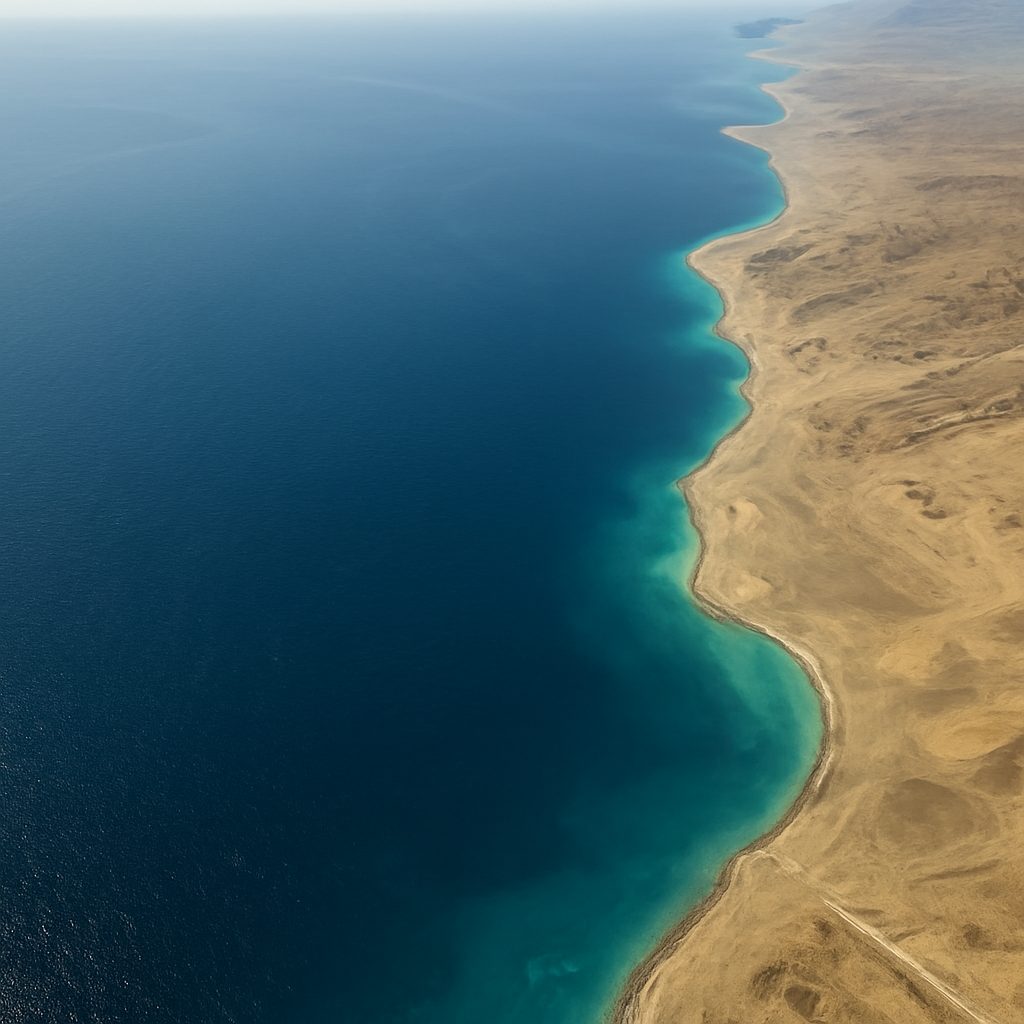
The escalating tensions between the United States and Iran have once again taken center stage as both nations engage in confrontational activities around the Strait of Hormuz. This strategic waterway, a crucial channel for global oil transport, has become a focal point of military exchanges, with each country asserting its control over the region.
The Strait of Hormuz is one of the most vital maritime chokepoints in the world, as it sees the passage of a significant portion of the globe's oil supply. Tensions in this zone can have profound implications for international trade and energy markets. As conflict heats up, both Washington and Tehran have intensified their military presence and operations in the region.
The US claims to have taken necessary defensive measures to ensure the unimpeded flow of commercial shipping, citing security concerns amidst heightened hostilities. Meanwhile, Iran insists on its territorial sovereignty and accuses the US of overstepping its bounds, further fueling geopolitical friction.
In recent months, the security of the Strait of Hormuz has been a recurring theme. Analysts point out that the stakes are incredibly high, not only for the countries directly involved but also for the international community reliant on the steady supply of oil transiting through the strait.
Diplomatic efforts to de-escalate tensions continue, with global leaders urging restraint and advocating for dialogue. However, the complex historical context and strategic importance of the Strait cast a shadow over the prospects for immediate resolution.
As the situation develops, the world watches closely, cognizant of the broader ramifications for peace and stability in the Middle East. The unfolding events highlight the intricate geopolitical landscape of the region and the critical importance of maintaining open and secure maritime corridors.