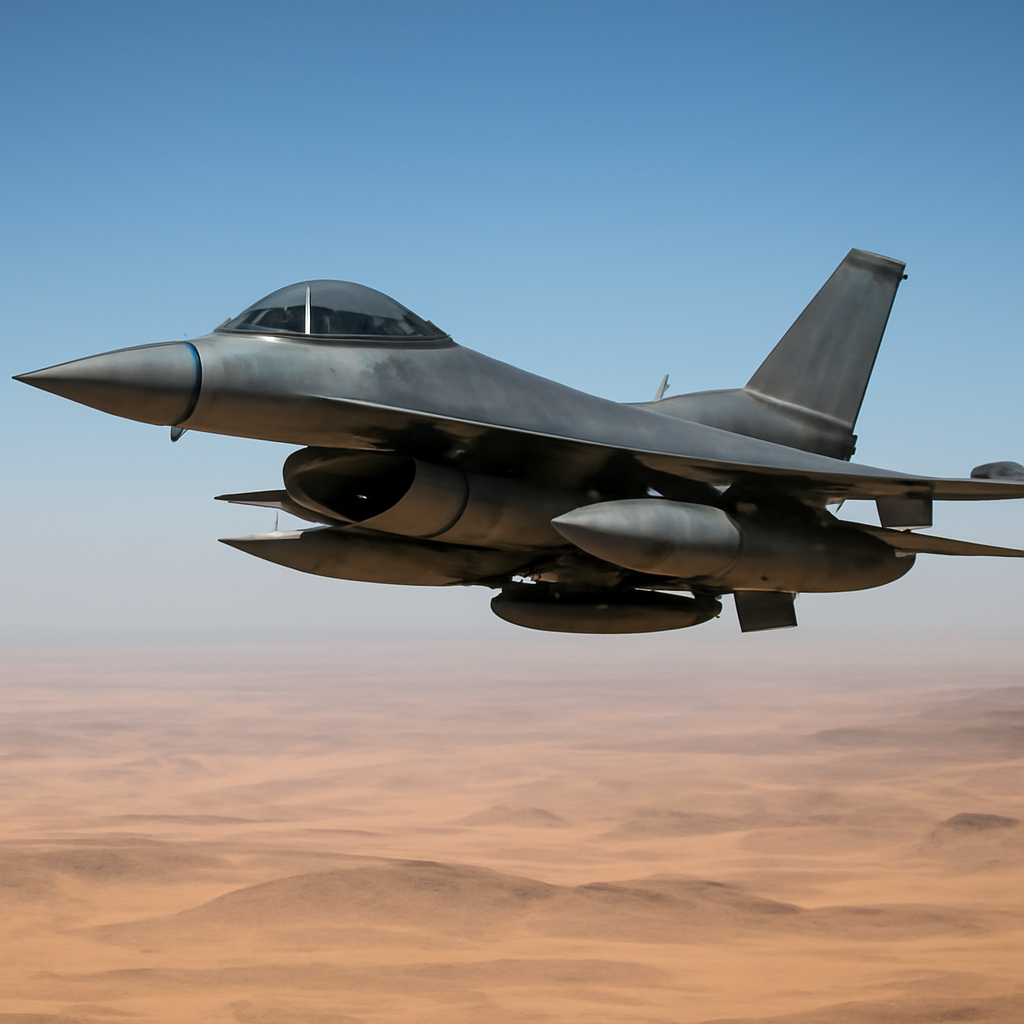
The US military has initiated new strikes in Iran, primarily targeting areas that could threaten freedom of navigation in the strategic Strait of Hormuz. This action follows a statement from former President Donald Trump indicating the end of a prior ceasefire.
The Strait of Hormuz, a vital waterway for global oil shipments, has been a point of contention and strategic importance. The recent US military actions aim to diminish perceived threats from Iran that could disrupt this crucial transit route. The focus of the strikes is on degrading Iran's capabilities to challenge navigational freedom in the area.
These developments come amid heightened tensions between the US and Iran, further complicating regional security dynamics. Military operations in the Middle East often have significant implications for global oil prices and international relations, making the situation closely watched by global observers.
Strategic analysts have long emphasized the importance of the Strait of Hormuz, through which a significant portion of the world’s petroleum passes. Ensuring the security of this passage is critical not only for the involved nations but also for international energy markets and wider geopolitical stability.
The ongoing tensions highlight the fragile nature of peace in the region and raise questions about the future of US-Iran relations. Policymakers and international leaders are now tasked with navigating these complexities to safeguard regional stability and security.
As the situation evolves, continuous updates will be necessary to provide clarity on the implications of these military actions and their potential impact on the broader geopolitical landscape.