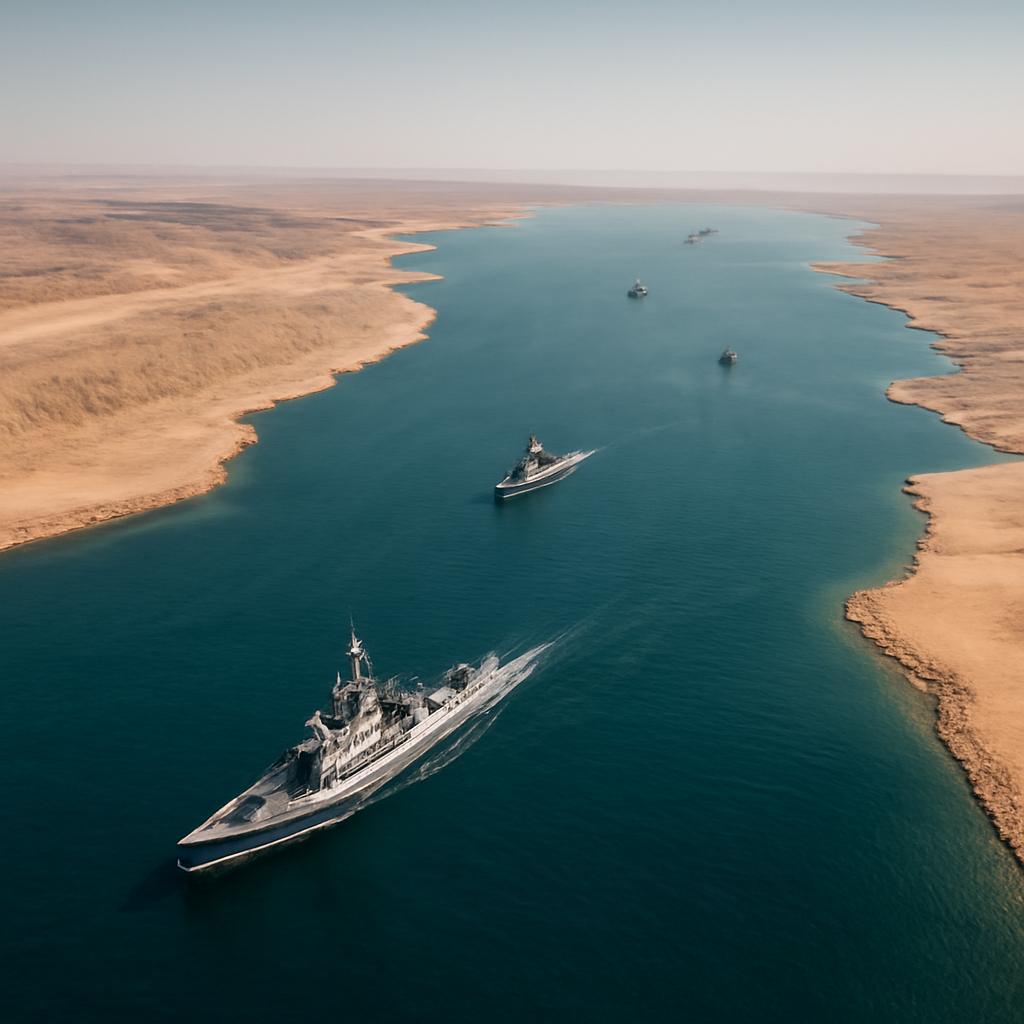
The U.S. military has conducted a strike on Iran in retaliation for recent attacks on vessels in the Strait of Hormuz. This action marks a significant escalation in the already tense relations between the two countries, heightening concerns over further retaliatory measures.
The Strait of Hormuz is a critical chokepoint for global oil shipments, making it a strategic location that has long been a center of geopolitical tensions. In recent weeks, a series of hostile encounters have underscored the volatility in the region, prompting this latest U.S. response.
The decision to strike comes amid a complex backdrop of prior confrontations and ongoing diplomatic challenges. As one of the world’s most significant oil routes, any disruption in the Strait of Hormuz could have far-reaching economic impacts, affecting global oil prices and supply chains. This adds an additional layer of urgency to the situation, as stakeholders across the globe monitor developments closely.
Historically, the U.S. and Iran have experienced fluctuating levels of tension, often related to nuclear agreements, sanctions, and military presence in the Middle East. The current situation could potentially lead to a cycle of retaliation, making diplomatic solutions increasingly imperative. Efforts to reduce regional tensions, such as negotiations or peace talks, seem critical to preventing further escalation.
Given the vital importance of the Strait of Hormuz to international maritime traffic and energy supply, this latest exchange of military actions not only affects U.S.-Iran relations but also poses a risk to global economic stability. The international community continues to call for restraint and resolution to ensure maritime safety and regional peace.