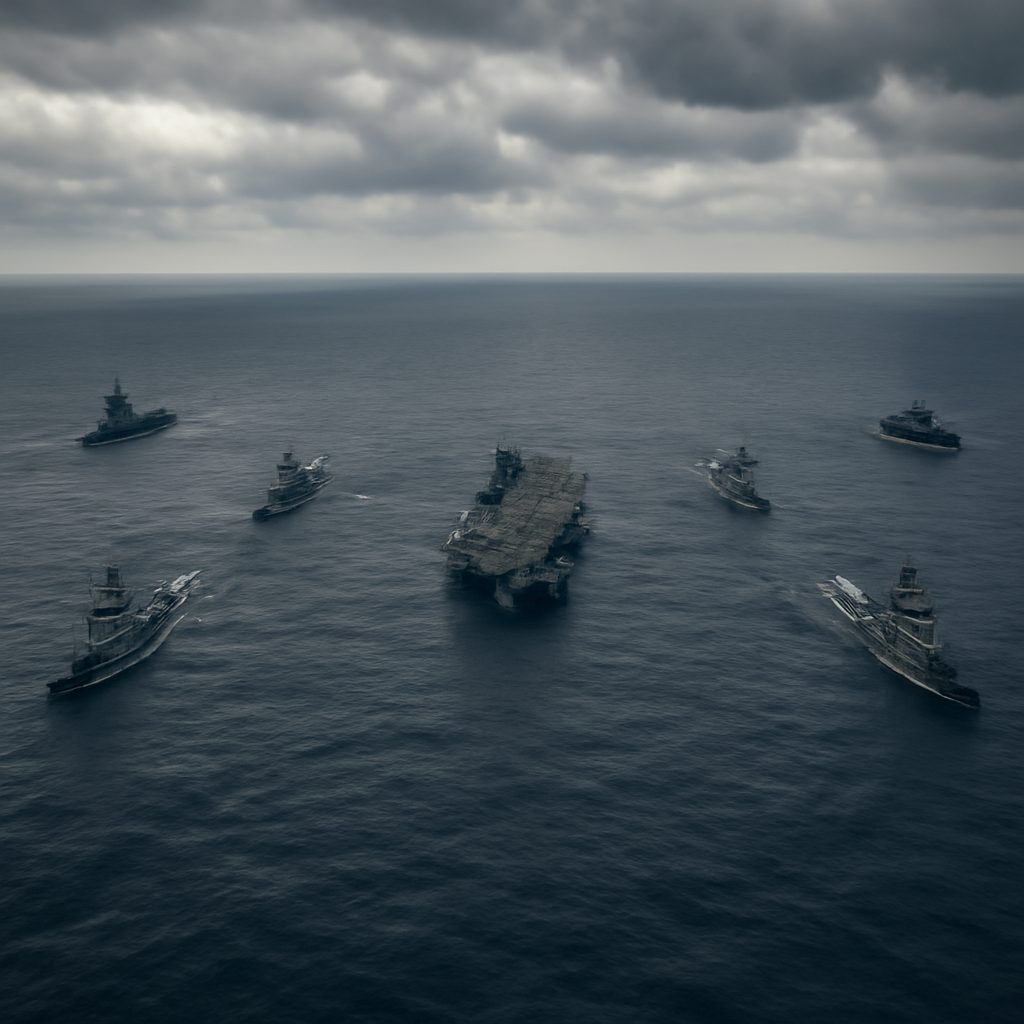
The U.S. military has executed a series of coordinated strikes in Iran as it prepares to reimpose a naval blockade. According to U.S. Central Command, the mission spanned over five hours and targeted strategic locations across Iran. This operation marks a significant military maneuver in response to escalating tensions in the region.
The resurgence of the naval blockade is a central component of the United States' strategy to curb Iran's military activities and ensure security in vital international waters. The blockade will significantly affect the movement of goods and ships, reinforcing pressure on Iran amidst ongoing diplomatic challenges. This military action demonstrates the U.S.'s commitment to maintaining stability and enforcing international agreements.
Naval blockades are historically critical during periods of heightened geopolitical tension, serving as a deterrent and a means to exert pressure without direct conflict escalation. Such operations require meticulous planning and coordination, often involving numerous naval vessels and aircraft to ensure effective execution and enforcement.
While this blockade aims to confront potential threats in the region, it also highlights the enduring complexities of U.S.-Iran relations. The international community is closely watching these developments amid concerns about broader implications for security and regional stability.
Overall, the U.S. military's strategic decisions reflect ongoing efforts to address security concerns and influence regional outcomes. As the blockade takes effect, its impact will likely resonate throughout global political and economic spheres, underscoring the crucial nature of maritime control in geopolitical strategy.