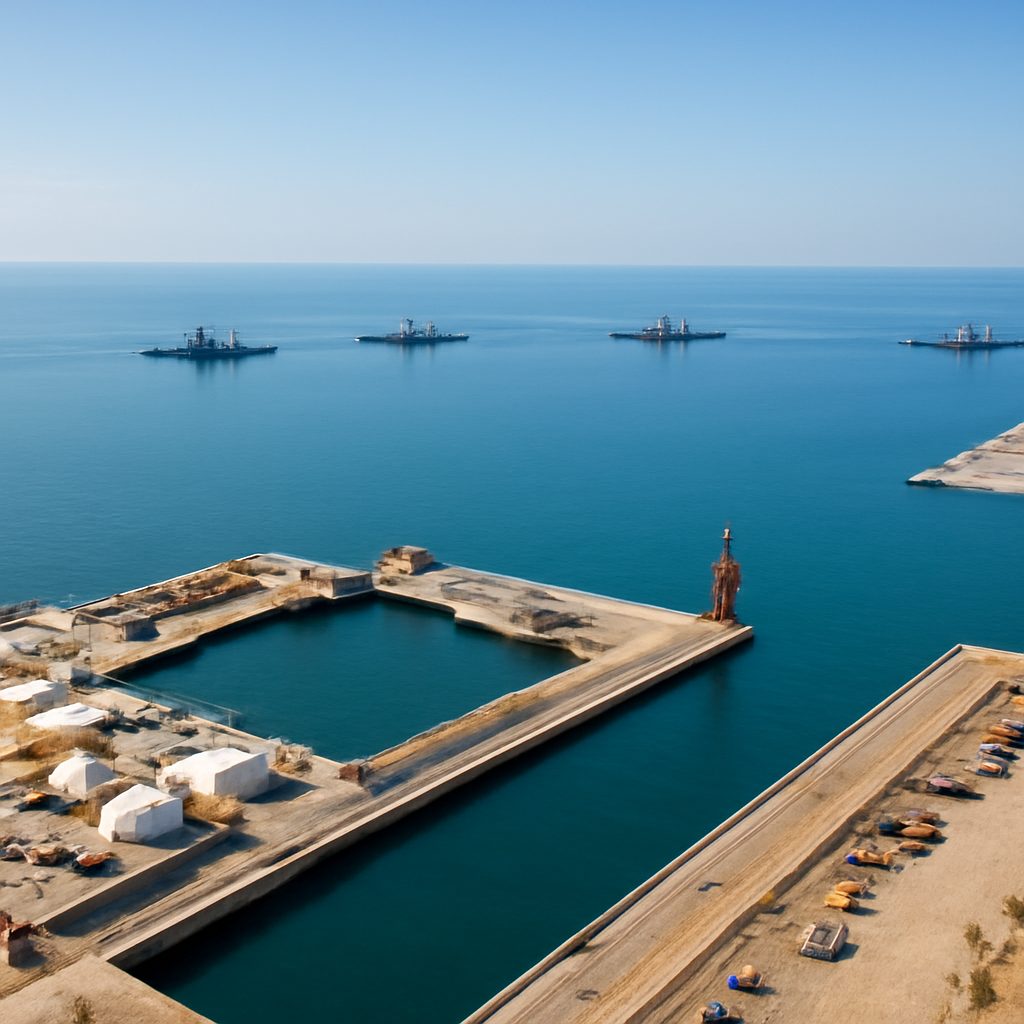
The United States has reinstated a naval blockade on Iranian ports, reflecting escalating tensions between the two countries. According to a recent military statement, this strategic move comes as part of a wider series of actions including increased strikes in the region. The primary keyword for this development is "US naval blockade on Iran."
The decision to reinstitute the blockade is seen as a significant escalation in US-Iran relations. Historically, such measures are employed to apply economic and political pressure, restricting the movement of goods and impacting Iran's economy. This development follows a series of military strikes carried out by the US, signaling heightened security measures and strategic positioning.
Secondary keywords crucial to understanding this situation include "US-Iran tensions," "military strikes on Iran," and "Iranian ports blockade." These terms help illustrate the gravity of the situation and the potential implications for international trade and regional stability.
This naval blockade has significant repercussions, not only affecting Iran's economy but also influencing global markets that rely on the region's resources. The reimposition is aligned with the US's broader strategic objectives, seeking to curb Iran's military capabilities and assert its presence in the region.
As the situation unfolds, monitoring developments through reliable sources is essential. This story highlights the intricate dynamics of international relations and the strategic maneuvers involved in geopolitical conflicts. The ongoing developments will require close attention to understand their full impact on global politics.
This pivotal move by the US marks another chapter in its complex relationship with Iran. Observers and stakeholders worldwide will be closely watching how these strategic military decisions evolve in the coming weeks.