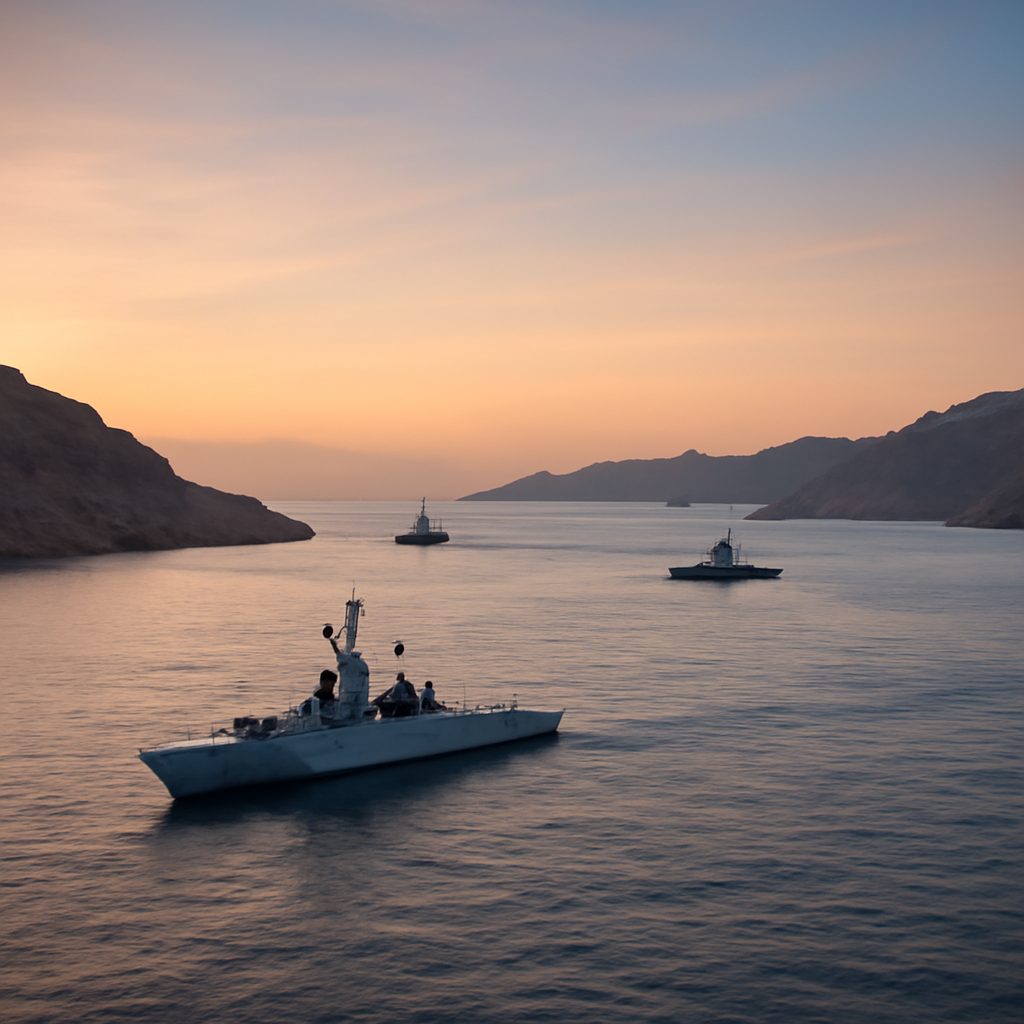
The United States has announced the reinstatement of a blockade targeting Iranian ships in the critical Strait of Hormuz. This strategic move heightens existing tensions in a region already fraught with conflict. The strait is a vital artery for global oil shipments, and any disruptions can have far-reaching economic impacts.
The decision follows the breakdown of an earlier ceasefire, as conflicts have intensified between various regional actors. Iran-backed Houthis have accused Saudi Arabia of airport attacks, further complicating the geopolitical landscape. US military strikes have reportedly extended deeper into Iranian territory, underscoring the fracturing peace efforts.
The Strait of Hormuz is one of the world's most important maritime chokepoints, connecting the Persian Gulf with open ocean routes. With a significant percentage of the world's oil passing through this narrow passage, disruptions to shipping have the potential to affect global oil prices and supply stability.
In recent years, the geopolitical climate surrounding the strait has become increasingly volatile. The US blockade aims to deter what officials describe as aggressive maritime tactics by Iran. This decision marks a shift in US policy, reflecting escalating concerns regarding security and navigation freedoms.
As this situation unfolds, maintaining diplomatic channels remains crucial to preventing further escalation and ensuring the safety of international shipping in the region. Observers and stakeholders worldwide are closely monitoring any developments in this complex geopolitical scenario.
This resurgence of conflict in the Middle East underscores the fragile nature of peace agreements and the ongoing challenges of achieving long-term stability in the region. With global implications for energy markets and international relations, the world watches closely as events continue to evolve.