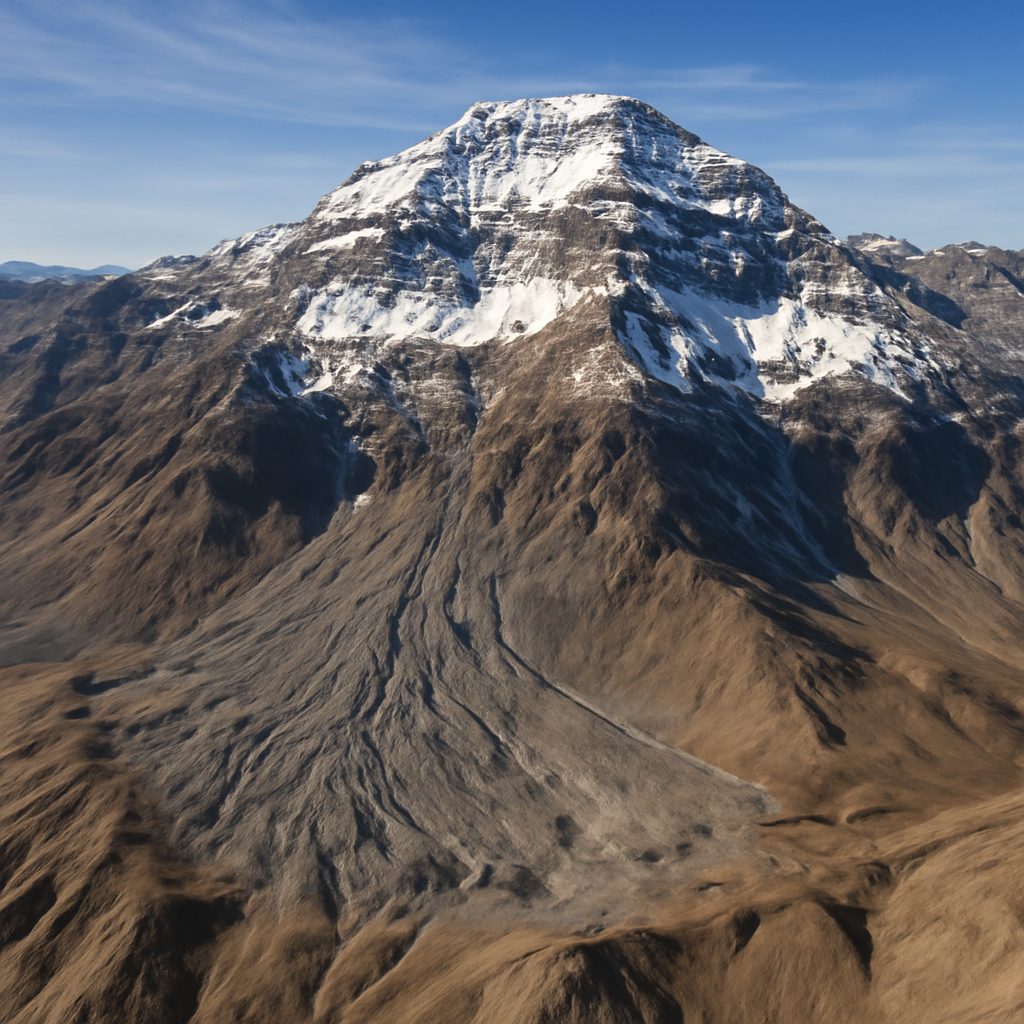
Researchers have identified a potential water source within the rock glaciers of Mount Timpanogos. This revelation could significantly impact water conservation efforts in Utah, a state often challenged by water scarcity.
Utilizing innovative research methods, scientists have delved into the rock glaciers nestled in Utah's mountains, uncovering hidden reserves of water. This groundbreaking study not only offers insights into the state's hydrology but also provides valuable data for future water management strategies. By understanding how much water can be stored in these mountainous reserves, Utah can better prepare for periods of drought and fluctuating water demands.
Rock glaciers, often overshadowed by their larger ice counterparts, still contain significant ice reserves. The gradual melting of these ice formations contributes to the region's water supply, impacting everything from agriculture to urban water consumption. By examining these glaciers, researchers aim to enhance the precision of water conservation planning.
This discovery is pivotal for Utah's environmental sustainability. Adequate management of these hidden water sources can lead to more effective conservation efforts, supporting local ecosystems and reducing the impacts of drought. Furthermore, it opens the door for similar studies in other mountainous regions across the world, potentially aiding in global water conservation initiatives.
The significance of this study extends beyond local implications. With climate change affecting global water reserves, understanding how to harness and manage water effectively is crucial. Mount Timpanogos' rock glaciers might just be one piece of the puzzle in creating a sustainable future for water resources worldwide.