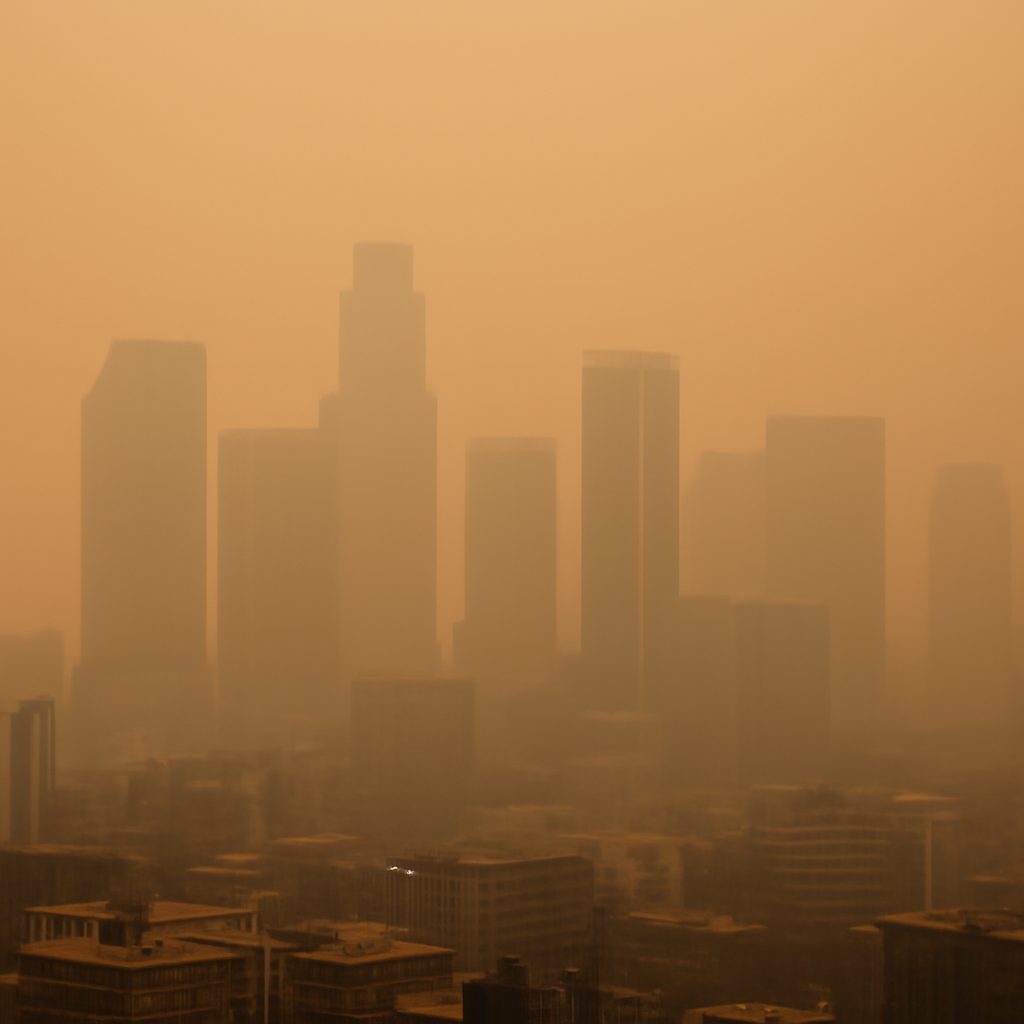
Wildfire smoke impacts are expected to deteriorate air quality in the Northeast and Mid-Atlantic regions through Friday, impacting millions. The smoky conditions are a result of ongoing wildfires in distant areas, carried across vast distances by prevailing winds.
Over 115 million people could potentially experience unhealthy air quality levels due to these smoky conditions. This widespread smoke event demonstrates the far-reaching effects of wildfires, particularly as climate change increases their frequency and intensity. Communities across these regions must remain vigilant and informed about the changing air quality.
The air pollution from wildfire smoke can carry a mix of harmful substances, including particulate matter, which has been linked to health issues such as respiratory problems and cardiovascular diseases. It's essential for affected communities to monitor local air quality indices and follow health advisories.
City residents should take precautions, such as reducing outdoor activities, especially in vulnerable groups including children and the elderly. Using air purifiers indoors and wearing masks outdoors can help mitigate exposure. Meanwhile, municipalities are likely preparing contingency plans to assist residents, particularly those most at risk from poor air quality.
The forecast warns that major cities across the Northeast and Mid-Atlantic, including New York City, Philadelphia, and Washington D.C., could be among the most impacted. As the situation evolves, residents will need to stay informed via local news and official channels for updates on air quality levels and health advisories.
The smoke event underscores not only the immediate impact of wildfires but also the broader environmental challenges posed by climate change. Addressing these issues will remain a critical concern for policymakers and the public alike in the years to come.