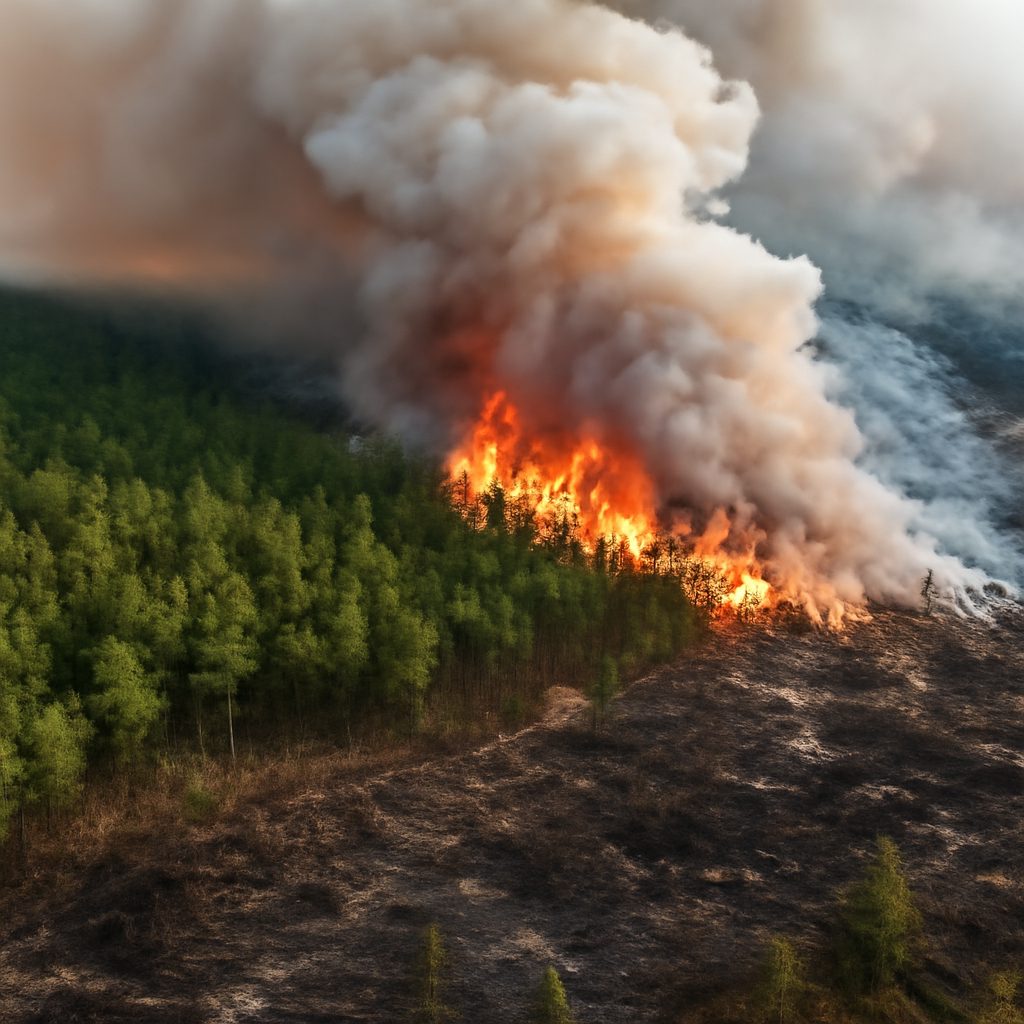
Wildfires in Spain and France have resulted in the evacuation of more than 250,000 people as flames rage across the southwest of Europe. The ongoing disaster has devastated large areas, forcing residents and holiday-goers from their homes and resorts. These fires have prompted a massive mobilization of emergency services aimed at containing the infernos and ensuring public safety.
The affected regions are grappling with high temperatures and dry conditions, creating an environment conducive to the rapid spread of fire. Authorities have declared a state of emergency in several areas to facilitate a coordinated response. The primary concern remains the safety of those who live in or visit these vibrant locations now threatened by encroaching flames.
Efforts to manage the wildfires have included deploying firefighting aircraft and ground crews, working around the clock to control the blazes. The scale of the evacuation highlights the severity of the situation, impacting both urban and rural communities. Many residents have found refuge in temporary shelters set up by local governments, as responders focus on protecting critical infrastructure and minimizing damage.
Climate conditions, such as sustained heatwaves and lack of rainfall, have been cited as significant contributors to the intensity of these fires. Experts caution that such events may become more frequent as climate patterns shift, underscoring the need for widespread preventive strategies in fire-prone regions.
Authorities in both Spain and France urge residents to comply with evacuation orders and remain informed via official channels, ensuring personal and community safety until the situation is under control. The dynamic nature of the fire's spread means ongoing vigilance is necessary in the affected areas.
As emergency teams continue their efforts to tackle these devastating wildfires, communities await updates on containment progress and the potential for returning to their homes. The situation remains fluid, with further updates expected as conditions evolve.