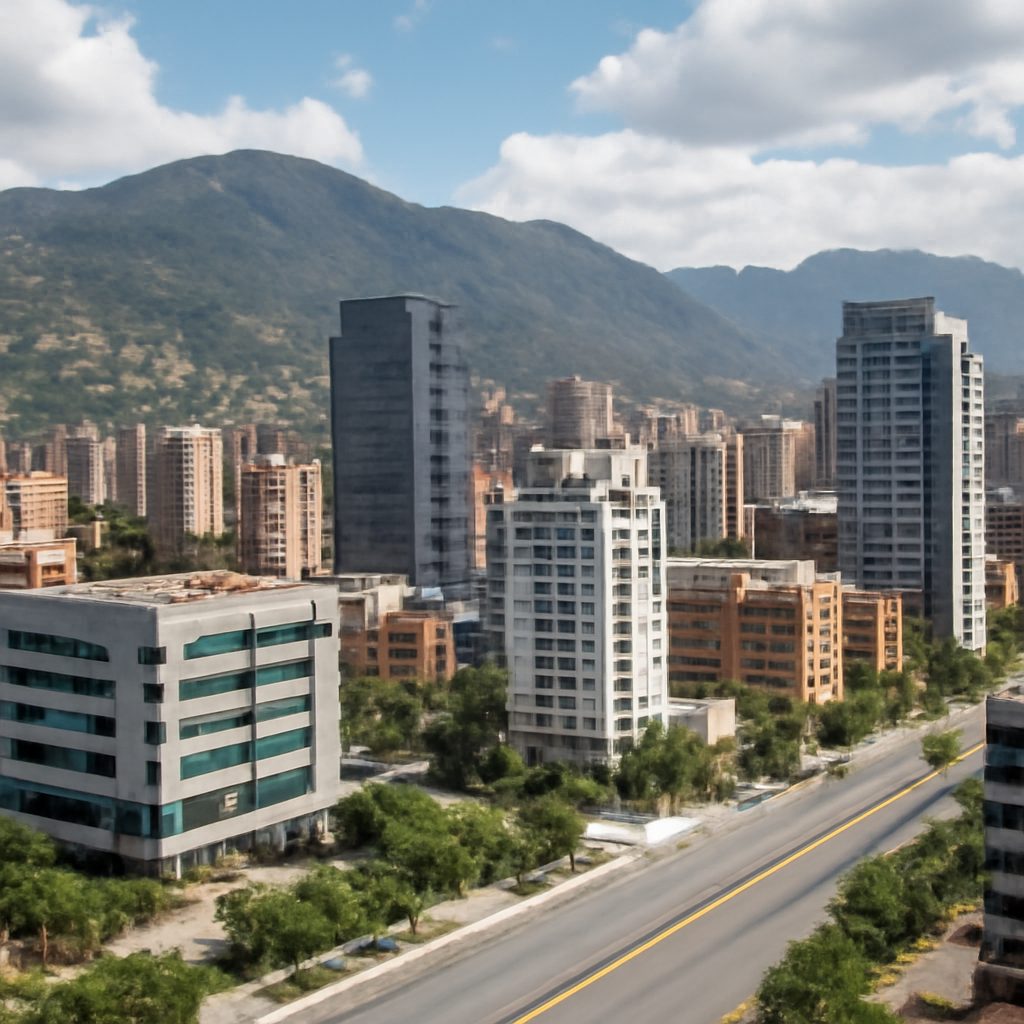
Earthquake preparedness in Armenia, Colombia, has proven crucial in ensuring the city's resilience against natural disasters. Following a devastating earthquake in 1999, the city underwent significant reconstruction efforts, focusing on building a robust infrastructure designed to withstand future temblors.
Armenia's experience underscores the importance of effective urban planning in disaster-prone areas. The city's journey to becoming a model of earthquake preparedness began over two decades ago when the 1999 earthquake caused widespread destruction. This event highlighted the vulnerabilities in the city's structures, prompting authorities to prioritize earthquake-resistant designs in their rebuilding efforts.
Key elements of Armenia's reconstruction included the adoption of advanced engineering techniques and the use of materials capable of absorbing seismic shocks. These measures ensured that buildings could endure significant movements without collapsing, significantly reducing the risk to lives during seismic events.
Community education has been another pivotal aspect of Armenia's strategy. Public awareness campaigns and regular drills have ensured that residents are well-informed about safety measures during earthquakes. The city has instilled a strong culture of preparedness among its citizens, which played a crucial role in mitigating risks during recent seismic activities.
Armenia’s success story is a testament to the effectiveness of long-term planning and investment in infrastructure. As other cities in earthquake-prone regions look towards solutions, Armenia stands as a model for how strategic preparedness can save lives.
By effectively combining modern construction techniques, community education, and proactive planning, Armenia, Colombia, has turned past adversity into a blueprint for resilience, showcasing that it is possible to beat the odds when nature tests our limits.