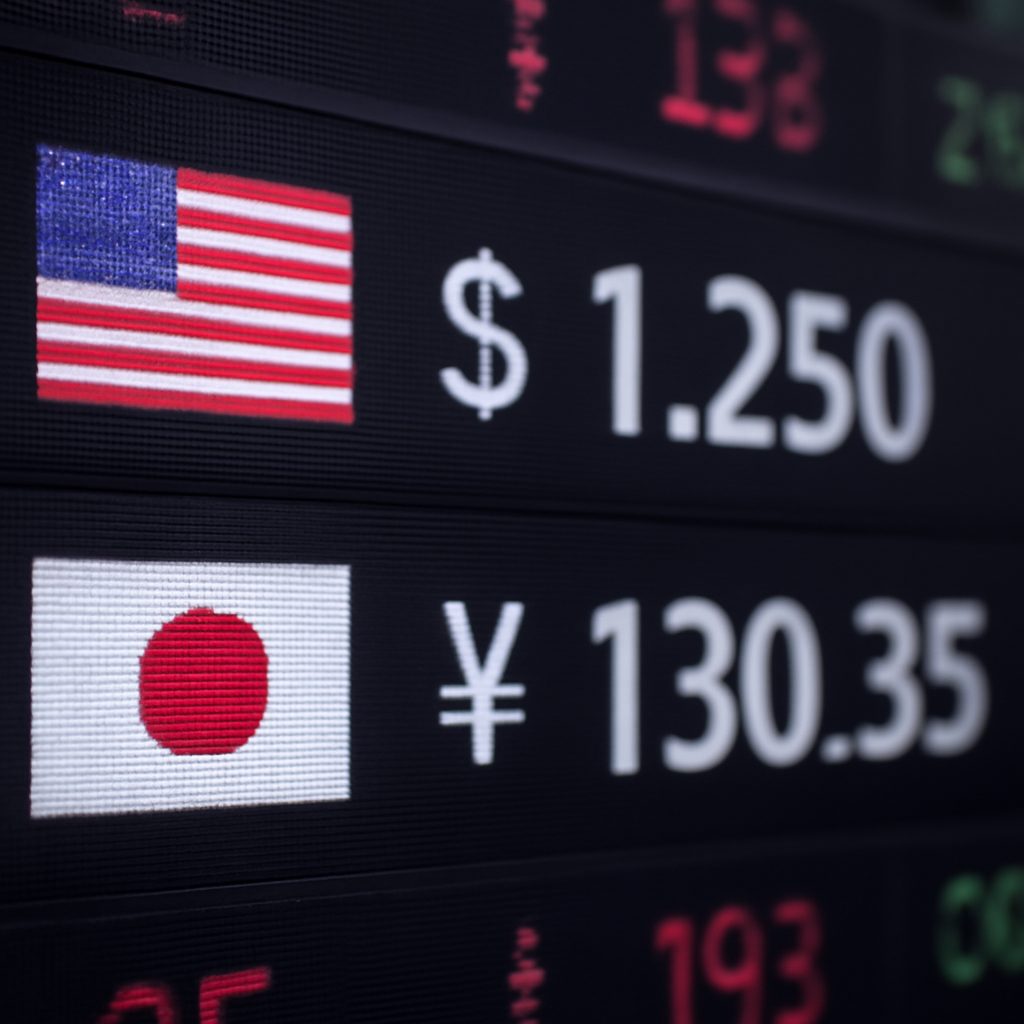
The US dollar weakens against the Japanese yen after recent market interventions by the United States and Japan. These actions were confirmed by US President Donald Trump and Japan's finance minister, leading to a notable impact on currency exchange rates.
Before the interventions late last week, the dollar was trading above 163 yen, reaching levels not seen in nearly 40 years. This market shift reflects how currency values are sensitive to political maneuvers and economic policies. The sharp decline in the dollar's value underscores the complexities of international finance and the interconnectedness of global markets.
Currency interventions are strategic actions undertaken by governments to influence exchange rates, typically aimed at stabilizing or adjusting the economic balance. In this case, both countries acted in concert to address what they perceived as excessive volatility in their exchange rates.
The weakening of the US dollar against the Japanese yen can affect various sectors, from international trade to tourism. A weaker dollar makes US exports cheaper for foreign buyers, potentially boosting American goods abroad, while imports from Japan become more expensive for US consumers. This dynamic also impacts travelers and international businesses operating between the two nations.
As the global economy remains sensitive to market interventions, monitoring the US dollar against the Japanese yen provides insights into broader financial trends and economic strategies. Such fluctuations can have long-lasting effects on bilateral trade relations and economic growth on both sides.
The continuing impact of these interventions will depend on future policy decisions and market responses, illustrating the ongoing challenge of navigating international financial landscapes.