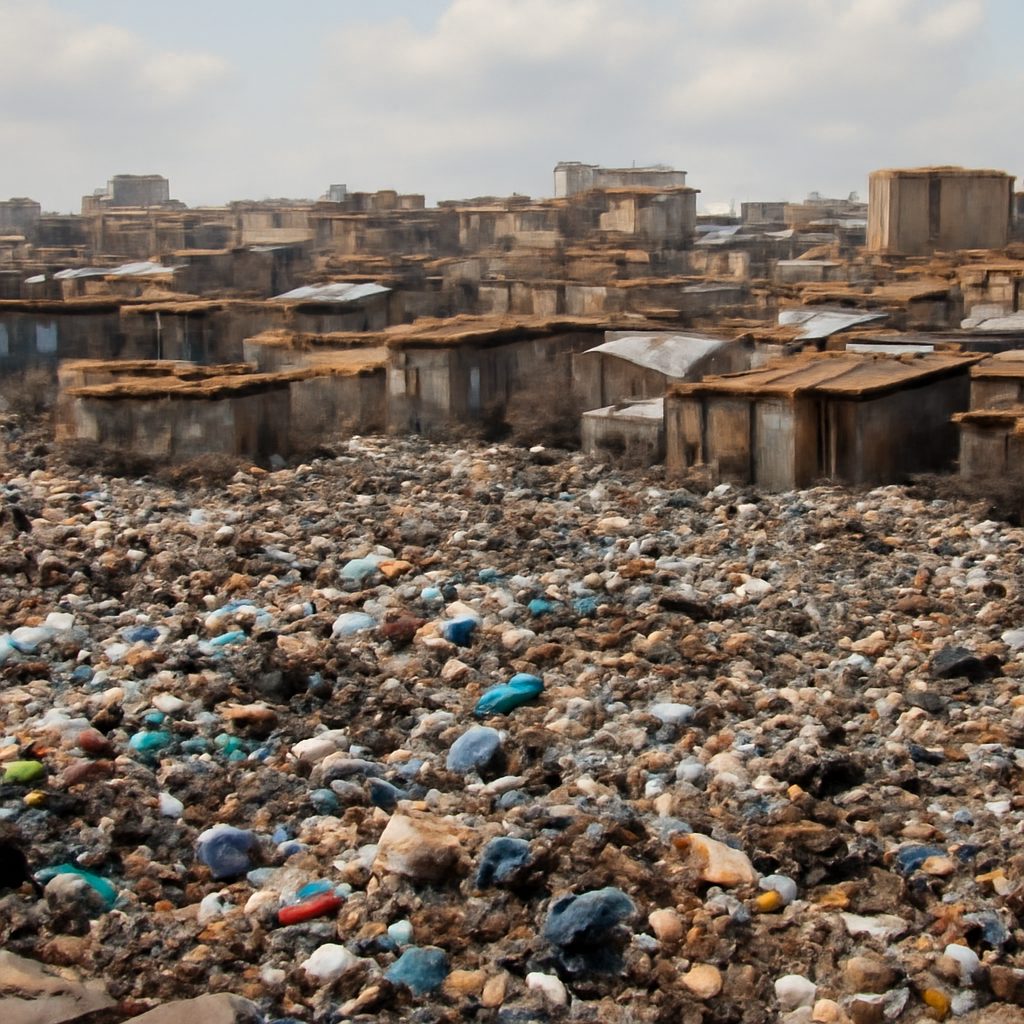
A massive landfill collapse in Conakry, Guinea, has resulted in the tragic death of 31 individuals. The incident took place at a major waste disposal site, where a mound of rubbish collapsed, burying several homes. The government has confirmed the casualties, and investigations are underway to understand how this environmental disaster occurred.
The collapse underscores significant challenges in waste management faced by rapidly growing cities like Conakry. As urban areas expand, managing waste efficiently becomes crucial to prevent such catastrophic events. Conakry, the capital of Guinea, has been dealing with increasing volumes of waste, with many sites becoming overburdened.
International reports on similar incidents highlight the dangers of inadequately managed landfill sites, which pose both environmental and safety risks. The Conakry disaster is a stark reminder of the need for sustainable practices in handling urban waste. Local authorities are now under pressure to implement immediate measures to prevent further tragedies and ensure the safety of residents living near such sites.
Efforts to modernize waste disposal systems could include investment in recycling facilities and upgrading infrastructure to handle waste more effectively. Global experts suggest that solutions involve both improving landfill management and encouraging waste reduction strategies.
As the government investigates the cause of the Conakry landfill collapse, there is a growing call for international support and expertise to develop safer waste management strategies. The tragic loss of life serves as a powerful impetus for change in waste handling practices in Guinea and beyond.